The Art of Pairing Indian Spices with Modern Flavours

The Art of Pairing Indian Spices with Modern Flavours

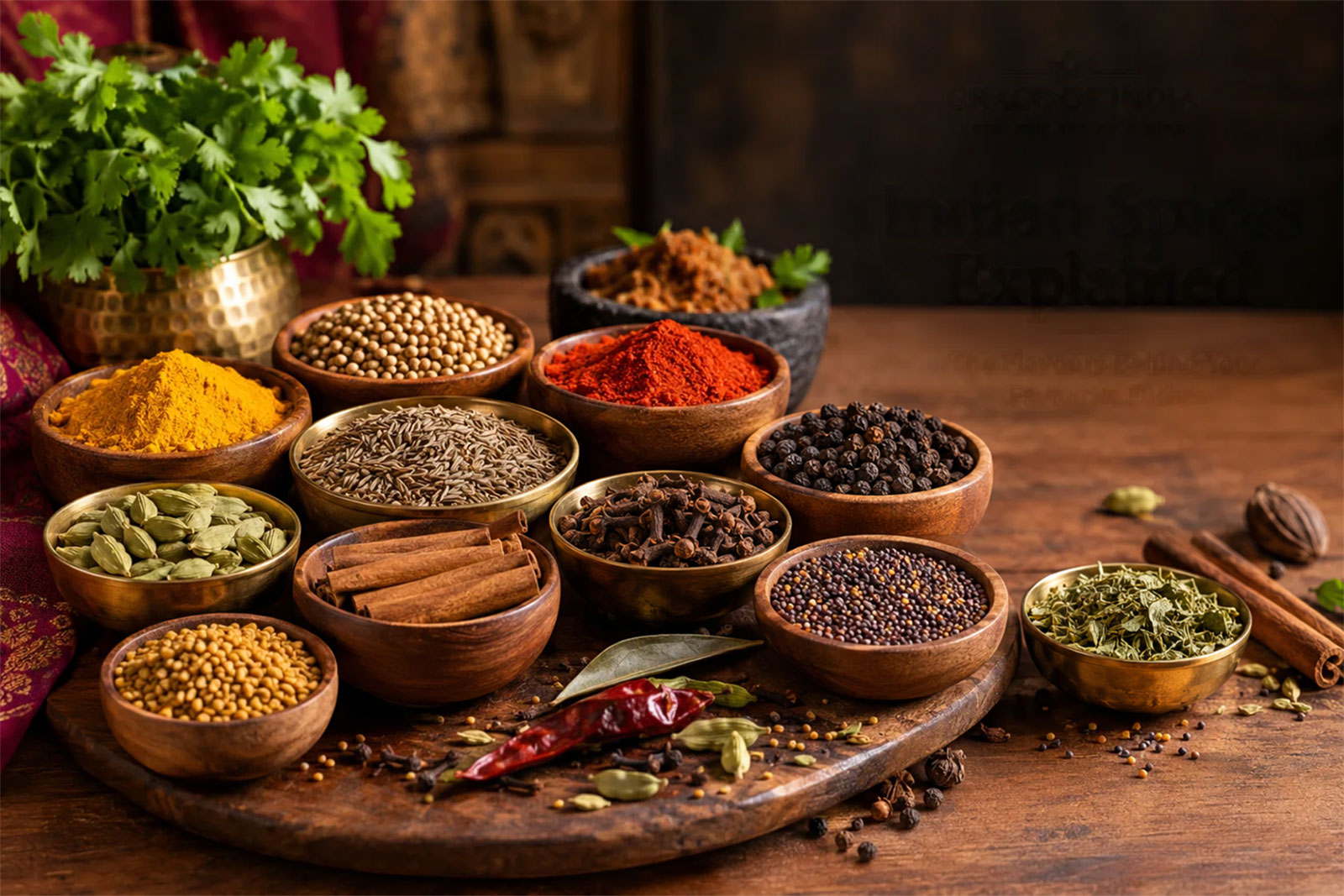
Indian cuisine is celebrated for its aromatic spices, complex flavours and rich culinary traditions. From the warmth of cardamom to the earthy notes of cumin, each spice brings something unique to a dish. But when traditional Indian spices meet modern cooking techniques, they can create exciting new flavour experiences.

At Lavendra, the beauty of contemporary Indian fine dining lies in exploring these flavours while celebrating the traditions behind them.

Understanding the Role of Indian Spices

Spices do more than add heat to a dish. They contribute aroma, depth, colour and balance, helping transform individual ingredients into a harmonious combination.

Some popular Indian spices include:

  • Cardamom: Fragrant and slightly sweet, it works beautifully in both savoury dishes and desserts.
  • Cumin: Earthy and warm, it adds depth to curries, vegetables and marinades.
  • Turmeric: Known for its golden colour and earthy flavour, it complements a wide range of savoury ingredients.
  • Coriander: Lightly citrusy and fresh, it helps balance richer flavours.
  • Cinnamon: Warm and subtly sweet, it pairs well with slow-cooked dishes and selected desserts.

Understanding how these spices interact is the first step towards creating balanced and memorable dishes.

How Indian Spices Pair with Modern Flavours

Contemporary cooking creates opportunities to combine traditional spices with ingredients and techniques from different culinary traditions.

1. Cardamom and Citrus

The floral sweetness of cardamom pairs naturally with the bright, refreshing notes of citrus. Lemon, orange and other citrus fruits can lift a dish, creating a balance between fragrant spice and acidity.

This combination works particularly well in desserts, sauces and creative beverage pairings.

2. Cumin and Roasted Vegetables

Cumin’s earthy character complements the natural sweetness of roasted vegetables. When combined with ingredients such as pumpkin, cauliflower or carrots, it adds warmth and depth without overpowering the produce.

3. Coriander and Fresh Herbs

Ground coriander brings a gentle citrus-like flavour that works well with fresh herbs such as mint and coriander leaves. Together, they can add freshness to marinades, dressings and contemporary savoury dishes.

4. Cinnamon and Chocolate

Cinnamon’s warm, sweet aroma can complement the richness of dark chocolate. Used thoughtfully, it introduces depth to desserts without overwhelming the chocolate’s natural flavour.

These combinations demonstrate how familiar Indian spices can be used in creative ways while maintaining their distinctive character.

The Importance of Balance in Fine Dining
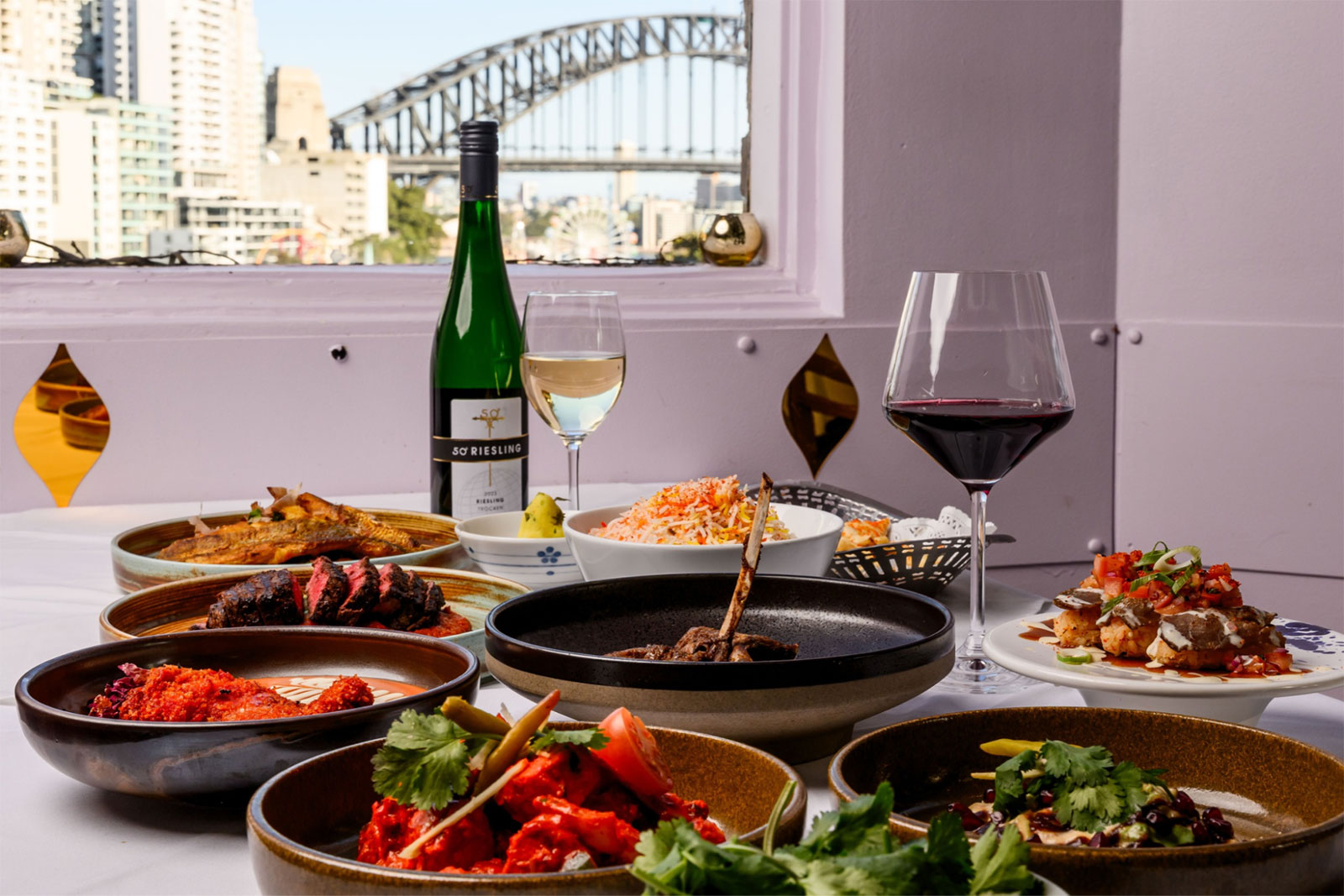
Pairing spices successfully is about more than combining ingredients. The key is balance.

Too much heat can overwhelm delicate flavours, while excessive sweetness may mask the natural character of the spices. Acidity, texture and aroma also play important roles in how a dish tastes.

In contemporary fine dining, chefs consider how every element contributes to the overall experience. Carefully selected ingredients, precise cooking techniques and thoughtful presentation help bring these elements together.

The result is a dish where traditional flavours feel familiar yet offer something unexpected.

Experience Contemporary Indian Fine Dining at Lavendra
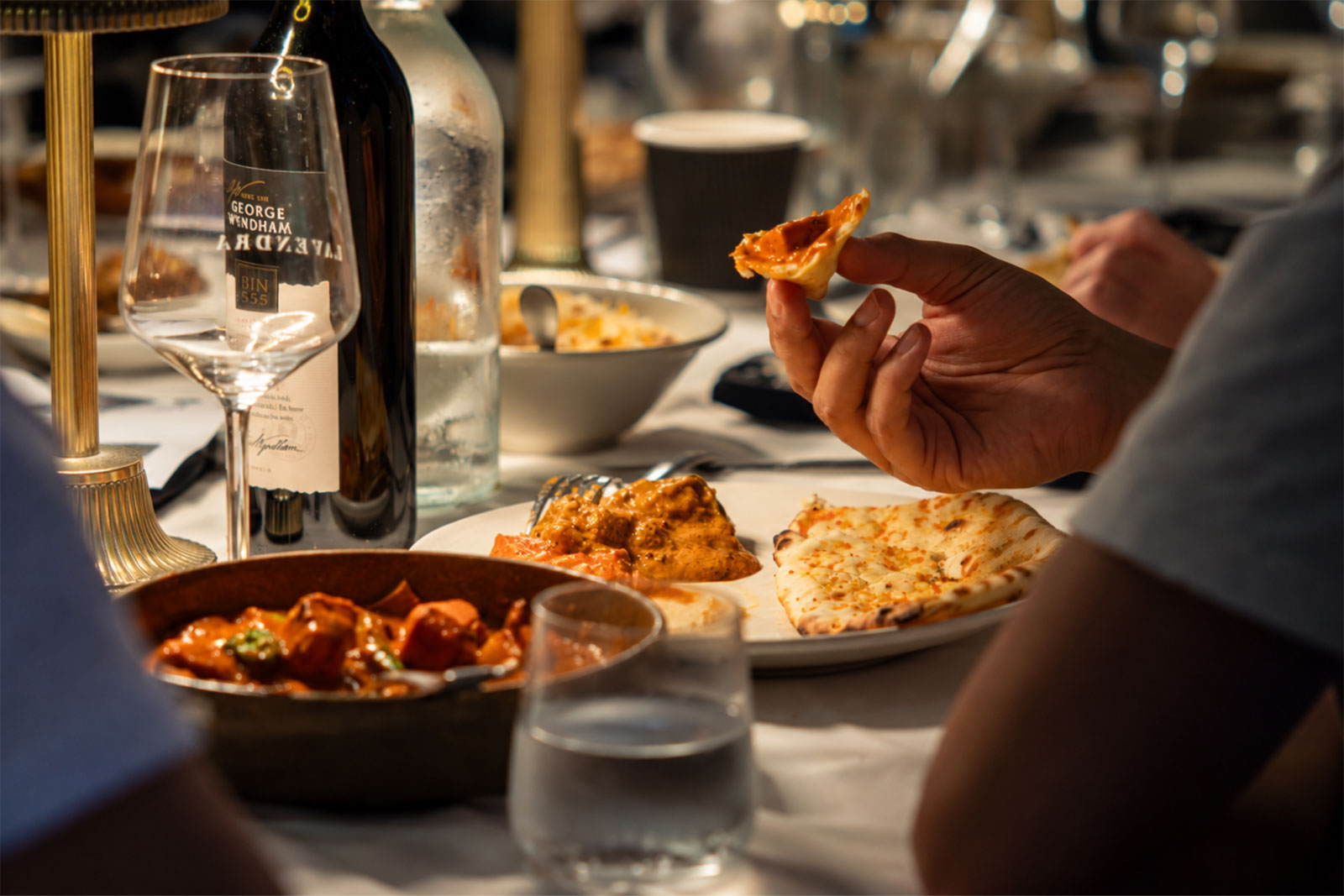
Located in North Sydney, Lavendra celebrates Indian culinary traditions through a contemporary fine-dining experience.

By exploring flavour, technique and presentation, modern Indian cuisine creates opportunities to appreciate familiar spices in new ways.

Whether you’re discovering Indian fine dining for the first time or already enjoy its diverse flavours, Lavendra offers an opportunity to explore the creativity and depth of Indian cuisine.

Visit Lavendra to discover more about the restaurant and its dining experience.

Final Thoughts

The art of pairing Indian spices with modern flavours lies in understanding how ingredients complement one another. From cardamom and citrus to cumin and roasted vegetables, thoughtful combinations can create depth, balance and complexity.

By bringing traditional spices into contemporary cooking, chefs continue to evolve Indian cuisine while honouring its rich culinary heritage.

At Lavendra, this connection between tradition and modern creativity is at the heart of the fine-dining experience.

Top Indian Restaurant Near Me for Fine Dining & Takeaway

Top Indian Restro Near Me | Fine Dining & Takeaway in Lavender Bay

When you search for “indian restro near me”, you’re not just looking for food—you’re looking for an experience. Something that blends rich flavours, inviting ambience, and the convenience of takeaway when needed.

If you’re near Lavender Bay, there’s one name that consistently stands out: Lavendra.

A Fine Dining Indian Experience Like No Other

A Perfect Date Night in North Sydney: Fine Dining at Lavendra

At Lavendra, fine dining isn’t just about the food—it’s about how it makes you feel.

From the moment you walk in, you’re welcomed into a space that feels both intimate and elevated. Think warm lighting, harbour-side charm, and carefully curated interiors that make every meal feel special.

What Makes It Stand Out

  • Thoughtfully crafted menu inspired by Indian roots
  • Elevated presentation that rivals global fine dining
  • Perfect for date nights, celebrations, or client dinners

Craving Indian Takeaway? You’re Covered

Not every day calls for dining out—and that’s okay.

Lavendra ensures that even when you order takeaway, the experience doesn’t drop. The flavours remain rich, the packaging is premium, and every dish still feels indulgent.

Perfect For

  • Cozy nights at home
  • Quick yet high-quality meals
  • Hosting guests without the stress

Signature Flavours You’ll Keep Coming Back For

While the menu evolves, some experiences stay unforgettable:

  • Rich, creamy classics like butter chicken
  • Smoky tandoori selections
  • Perfectly balanced vegetarian dishes
  • Freshly baked naan that completes every meal

Each dish is designed to feel familiar yet elevated—comfort food with a refined edge.

The Perfect Location for a Memorable Meal

Located at 5 Walker St, Lavender Bay NSW, Lavendra offers more than just food—it offers a setting.

Being close to the harbour, it’s ideal for:

  • Sunset dinners
  • Weekend outings
  • Special occasions

If you’ve been endlessly searching “indian restro near me”, this is the spot that turns a simple meal into a moment.

Why Lavendra Should Be Your Go-To Indian Restaurant Near You

  • Fine dining + takeaway convenience
  • Premium ambience with a harbour bridge view
  • Authentic flavours with a modern twist
  • Ideal for both casual and special occasions

Final Thoughts

Searching for the perfect “indian restro near me” can feel overwhelming—but sometimes, the best places aren’t the loudest—they’re the most thoughtfully crafted.

Lavendra is one of those rare finds. Whether you’re dining in or ordering takeaway, it delivers an experience that goes beyond expectations.

Where is the Indian Cheese Platter?

Paneer Crumble

India is a land of cultural variety and there’s certainly no exception when it comes to food!

Punjabi Saag, Kerala fish curry, Kashmiri Gushtaba, Pondicherry Ratatouille may as well be from other sides of the planet. India’s history has weaved through the original Indigenous population, Sultanates, Mughal Invasions and Colonial empires and given the people of each geography a range of original and/or cross cultural specialties.

All of this and keeping in mind India’s natural topography includes the Himalayas in the North and tropical weather in the South!

India - Himalayas
People living in and around the Himalayas have evolved their diets around the climate
India - Kerala
Polar opposite in Kerala where temperatures are almost tropical

Given all the cultures and food variety — it does beg the question — why didn’t cheese get a place in Indian food?

Paneer

There is one exception to the rule when it comes to cheese in India — Paneer. More than likely the only type of cheese you’ll find in your local Indian restaurant.

Paneer is made by boiling milk followed by adding an acidic substance (soured whey, lemon juice, vinegar etc.) and thereby curdling the milk and separating the liquid remnants with the now slow forming and cooling Paneer.

 
Pondicherry Ratatouille at Lavendra - Paneer
Pondicherry Ratatouille at Lavendra

Until not long ago even Paneer was not on the menu for Indians and this gives us a clue into the underdeveloped culture of cheese in India.

Here’s a few reasons why India doesn’t have cheese platters:

  1. Indians valued the cow and all milk products to a level where they revered it. This is why they didn’t believe in curdling milk or preserving it to the point where it became mouldy because frankly — it was spoiling it. For Indians this was trying to fix something that was holy and not broken!
  2. Paneer was introduced to the Indian diet by Middle Eastern invaders who had different ideas about the value of milk. Most of the time it was the invaders themselves consuming these products compared to the locals who didn’t develop a taste for Paneer until after Mughlai restaurants became popularised.
  3. A lot of India was not exposed to foreign influences for them to start developing a new ‘cheese culture’ .This meant very limited parts of India were exposed to cheese and where consumption existed — very few locals were consuming it anyway.
  4. Chenna — a product similar to Paneer was introduced to East India by the Portuguese in the 17th century. East Indians began using Chenna in dessert so the idea of culturing, curing and ageing never evolved. What cheese meant to Indians took a very different tangent to how it was developing in the west.

At Lavendra we’re working on bringing you Paneer as a cheese platter with three different textures. Not aged, rennet infused or cured but a start for our journey experimenting with cheese in Indian food!

Watch our video below on how we make Traditional Paneer at Lavendra, or check it out on YouTube  — https://youtu.be/f1yjlrC7QVg